
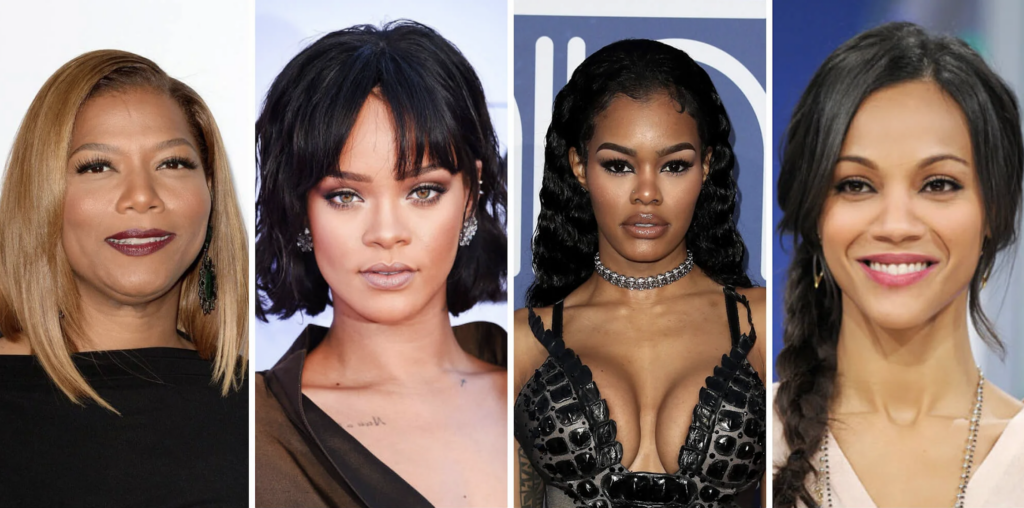
Choosing a new haircut can feel overwhelming. With endless trends on social media and celebrity inspiration everywhere, it’s easy to forget one crucial detail: not every haircut suits every face shape. The most flattering styles are the ones that enhance your natural features, balance proportions, and fit your lifestyle.
This guide explains how to choose the perfect haircut for your face shape, helping you walk into the salon confident, informed, and ready for a style that truly works for you.
Why Face Shape Matters When Choosing a Haircut
Your face shape determines how different lengths, layers, and fringes frame your features. The right haircut can:
- Highlight cheekbones
- Soften strong jawlines
- Create the illusion of length or width where needed
- Make your overall look more balanced and polished
While trends come and go, a face-shape-appropriate haircut always looks intentional and timeless.
How to Identify Your Face Shape
Before choosing a haircut, it’s important to understand your face shape. Pull your hair back, stand in front of a mirror, and look at the overall outline of your face. Pay attention to your forehead width, cheekbones, jawline, and face length
Most people fall into one of these categories: round, oval, square, heart-shaped, or long (rectangular).
The Best Haircuts for Each Face Shape
Haircuts for a Round Face Shape
Round faces have soft curves and similar width and length. The goal is to create the illusion of length and definition.
Long layers, angled bobs, textured lobs, and side-swept fringes work well because they elongate the face and add structure. Styles with volume at the crown can also be very flattering.
It’s best to avoid blunt, chin-length cuts or heavy straight fringes, as these can make the face appear rounder.
Haircuts for an Oval Face Shape
Oval faces are considered the most versatile because of their balanced proportions. If you have an oval face shape, you can wear almost any haircut successfully.
Blunt bobs, pixie cuts, curtain bangs, long layers, and soft waves all complement this shape beautifully. The key is choosing a style that suits your hair texture and lifestyle rather than worrying about limitations.
Haircuts for a Square Face Shape
Square faces are defined by strong jawlines and angular features. The aim is to soften these angles while maintaining structure.
Layered cuts, waves, shoulder-length styles with movement, and side parts help balance the face. Soft textures and natural flow create a more relaxed, flattering look.
Very sharp bobs, centre parts with straight hair, and blunt edges can exaggerate angles and are usually best avoided.
Haircuts for a Heart-Shaped Face
Heart-shaped faces typically have a wider forehead and a narrower chin. The goal is to balance the top and bottom of the face.
Chin-length or shoulder-length bobs, soft waves, side fringes, and layers around the jawline work especially well. These styles draw attention downward and create harmony.
Too much volume at the crown or heavy straight fringes can make the forehead appear wider and are generally less flattering.
Haircuts for a Long or Rectangular Face Shape
Long faces are noticeably longer than they are wide. The focus should be on adding width and reducing length.
Textured bobs, layered shoulder-length cuts, curls, waves, and fringes—especially curtain bangs—help achieve balance. These styles visually shorten the face and add fullness.
Very long, flat styles without layers can make the face appear even longer and are best avoided.
Don’t Forget About Hair Texture and Density
Face shape is important, but it’s only part of the equation. Hair texture and thickness play a major role in how a haircut looks and behaves.
Fine hair often needs layers to create volume, while thick hair benefits from shaping to remove weight. Curly and textured hair require specialised cutting techniques that respect natural curl patterns and shrinkage.
A great haircut always considers how your hair naturally moves, not just how it looks when styled.
Match Your Haircut to Your Lifestyle
The perfect haircut should suit your day-to-day routine. Consider how much time you realistically spend styling your hair, how often you visit the salon, and whether you prefer low-maintenance or more polished looks.
A style that looks amazing but requires daily effort may not be practical long-term. The best haircuts are the ones you can maintain comfortably and confidently.
Common Questions About Choosing a Haircut
Many people worry about whether they can wear a style they love if it doesn’t “match” their face shape. The answer is yes—but it should be adapted. A professional stylist can adjust length, layers, and fringe placement to suit your features.
It’s also common to have a combination of face shapes rather than fitting neatly into one category. This is completely normal and is why professional consultations are so important.
Face shape also matters for braids, fades, and protective styles. Parting, length, and volume placement all affect balance and overall appearance.
Why a Professional Consultation Makes All the Difference
Online guides are helpful, but nothing replaces the expertise of a trained stylist. A professional consultation takes into account your face shape, hair texture, lifestyle, maintenance goals, and personal style.
This ensures your haircut doesn’t just look good when you leave the salon—but continues to look great as it grows out.
Final Thoughts
Choosing the perfect haircut is about more than following trends. It’s about understanding your face shape, working with your natural hair, and selecting a style that fits your lifestyle.
When all these elements come together, the result is a haircut that feels effortless, flattering, and uniquely yours. If you’re ever unsure, start with a consultation—because the right haircut should make you feel confident every single day.