
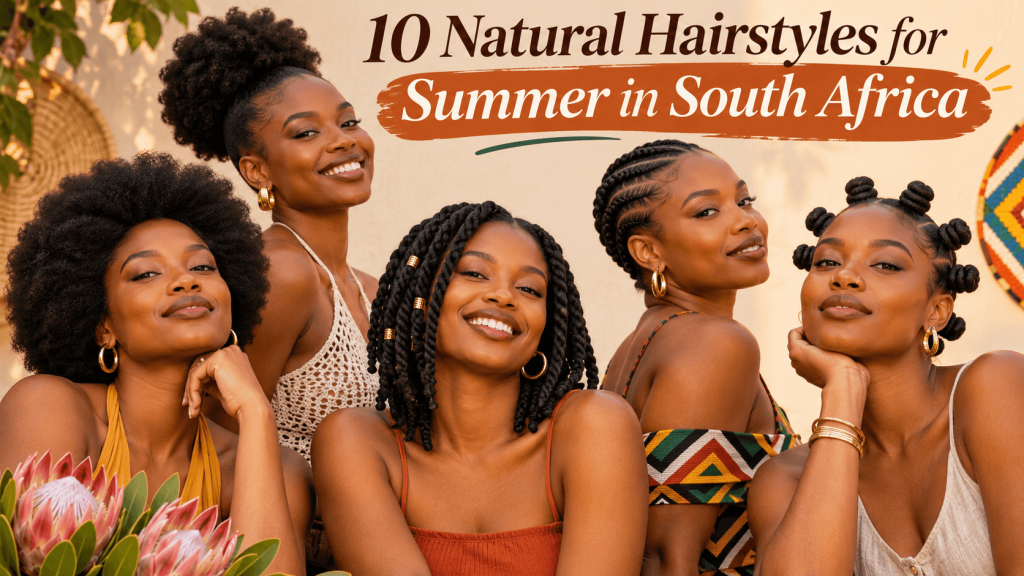
Summer brings more opportunities to wear your natural texture, whether you are heading to work, spending a weekend outdoors or preparing for a special occasion. The right hairstyle should suit those plans without making your daily routine harder to manage.
Choosing natural hairstyles for summer involves more than finding a look you like. Your length, scalp comfort, washing routine and the time you spend swimming or exercising all influence what will work for you. A style that needs careful refreshing may suit one person, while another prefers a simple shape that can soften naturally between washes.
These ten options celebrate natural hair without requiring extensions. Some keep the ends tucked away; others leave your texture loose and visible. Choose according to your hair’s condition and the care you can maintain.
1. A Shaped Afro
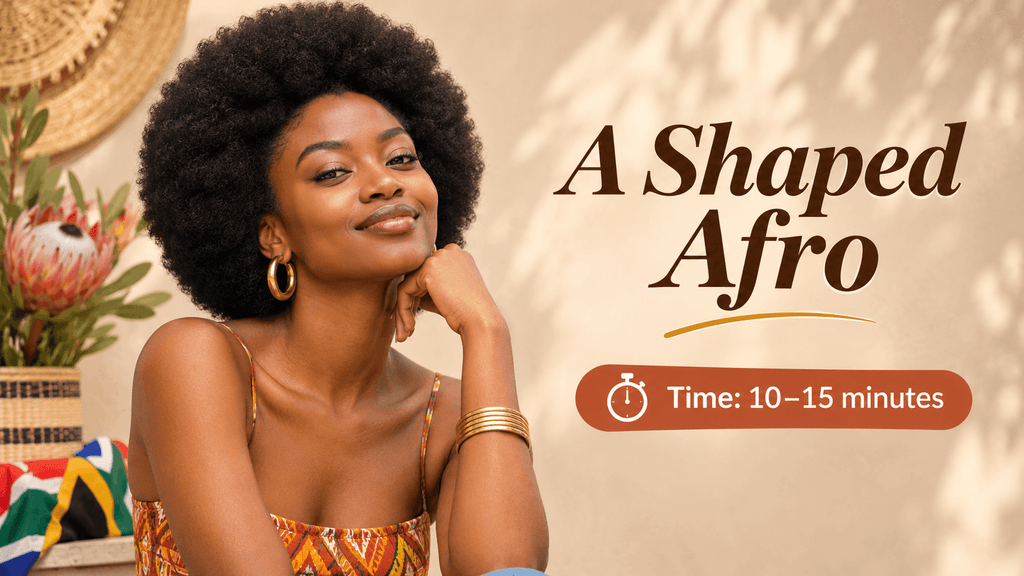
A shaped afro gives your natural texture room to stand out. It works across different lengths, from a rounded crop to a fuller outline, and can be adapted to suit your face and density.
A professional shape can make everyday styling more manageable without changing your curl pattern. Focus on gentle fluffing and appropriate conditioning rather than repeatedly combing the hair from roots to ends. Because the ends remain exposed, an afro still needs care against tangling and friction; it is not an ends-tucked protective style.
2. A Soft High Puff
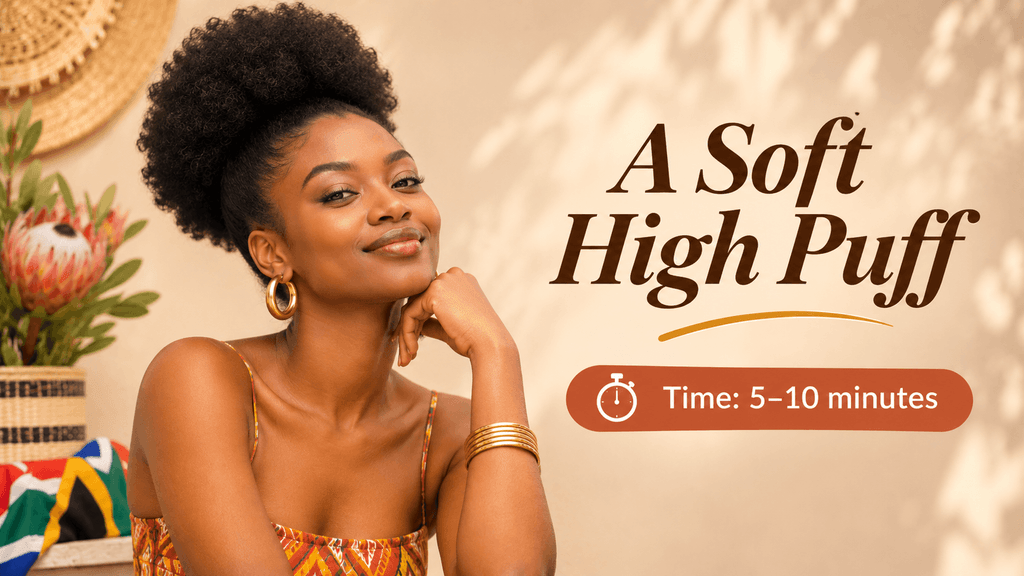
A high puff gathers the hair upwards while leaving the ends loose, making it a practical option when you want hair away from your face. It can suit workdays, casual outings and occasions with a change of accessories.
Use a soft fastening and avoid pulling tightly to achieve a perfectly smooth hairline. If your hair does not reach comfortably, a lower puff may be a better choice. Changing the position occasionally can also help avoid repeatedly placing tension on the same area.
3. Two-Strand Twists
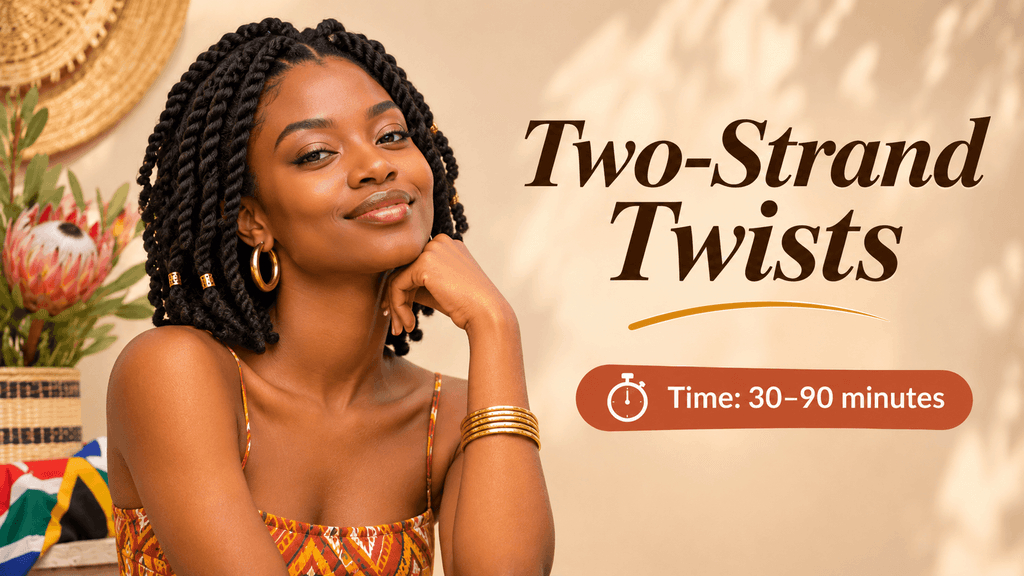
Two-strand twists organise the hair into separate sections and can reduce daily combing and restyling. Larger twists offer a fuller finish, while smaller twists create a more detailed look and require more installation time.
The best size depends on your length, density and preferred routine. Keep your scalp clean and moisturise your hair as needed while the twists are in place. They can also be unravelled later for a twist-out, giving you another way to wear the same preparation.
4. Flat Twists
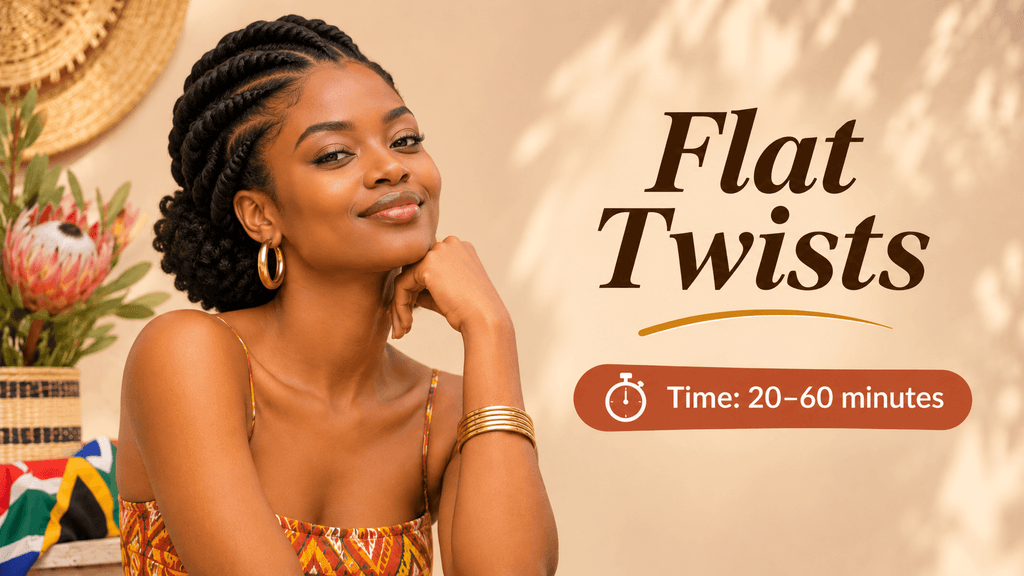
Flat twists use two strands twisted along the scalp, gradually incorporating more hair into each row. They create a rounded, textured pattern that can run straight back, sweep to one side or lead into a tucked finish.
They are worth considering when you want a contained style using your own hair. However, they should not pull around the temples or nape. Ask your stylist to adapt the pattern to shorter sections instead of forcing every strand into a particular design.
5. Cornrows with Your Own Hair
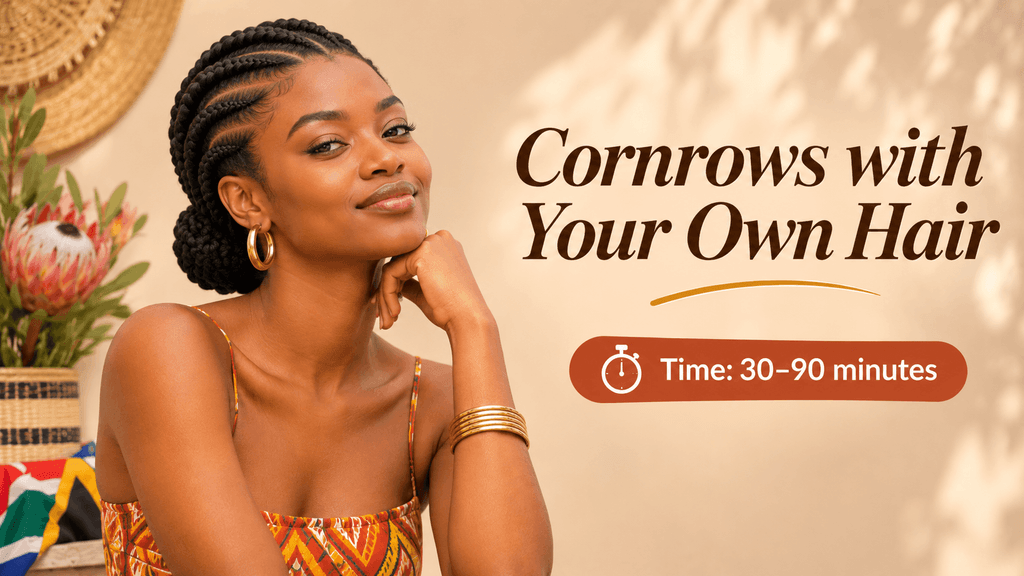
Cornrows create a defined braided pattern close to the scalp. Straight-back rows offer a simple finish, while curved partings or side sections can change the overall shape without adding extensions.
They can be practical for an active routine because the hair remains arranged in rows, but they still need washing and care. Neatness should come from careful sectioning rather than excessive tension. Our guide to protective hairstyles that actually protect your hair explains why installation matters as much as the chosen style.
6. Bantu Knots
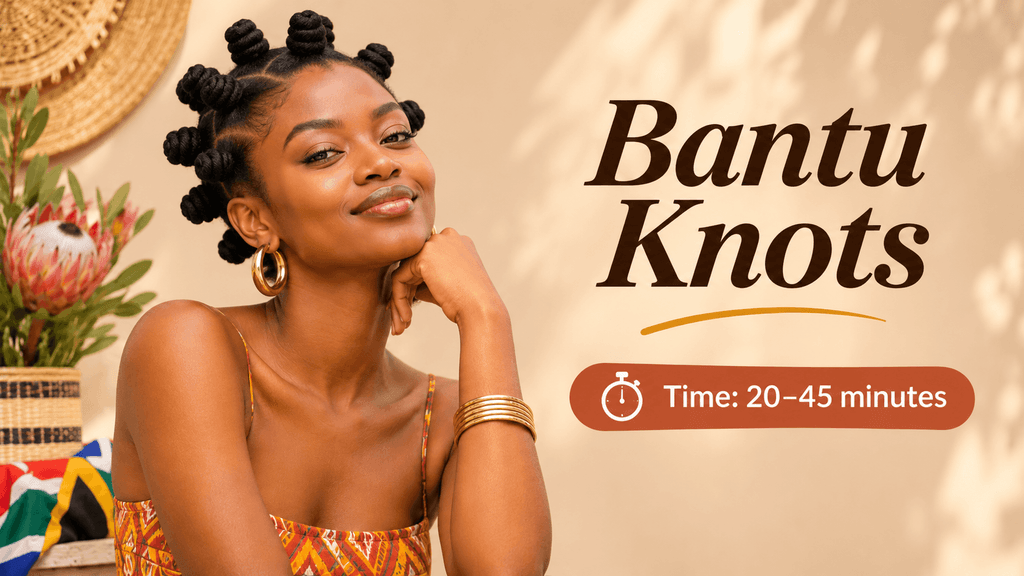
Bantu knots are formed by twisting sections of hair and wrapping them into small coiled buns. They create a sculptural look while keeping the ends contained, with the number and placement of knots adapted to your hair.
Avoid winding each section so tightly that the roots become sore. Pins or fastenings should also feel comfortable. If you plan to unravel the knots for a knot-out, allow the hair to dry fully first and separate it gently to preserve the resulting definition.
7. A Twist-Out
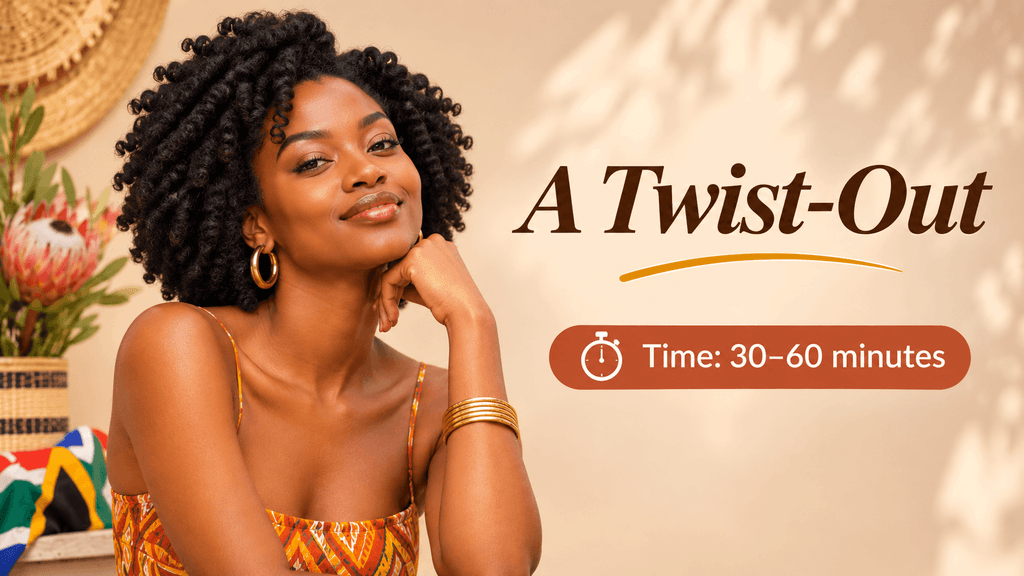
A twist-out is created by unravelling fully dried twists, leaving a loose, defined pattern. It is a versatile option when you want to show your hair’s volume and texture without a permanently installed style.
The result depends on section size, products and how your hair responds. Humidity, perspiration and swimming can change the definition, so it suits someone comfortable with the look becoming softer. Refresh selected sections where needed rather than automatically restarting the whole style every morning.
8. Finger Coils
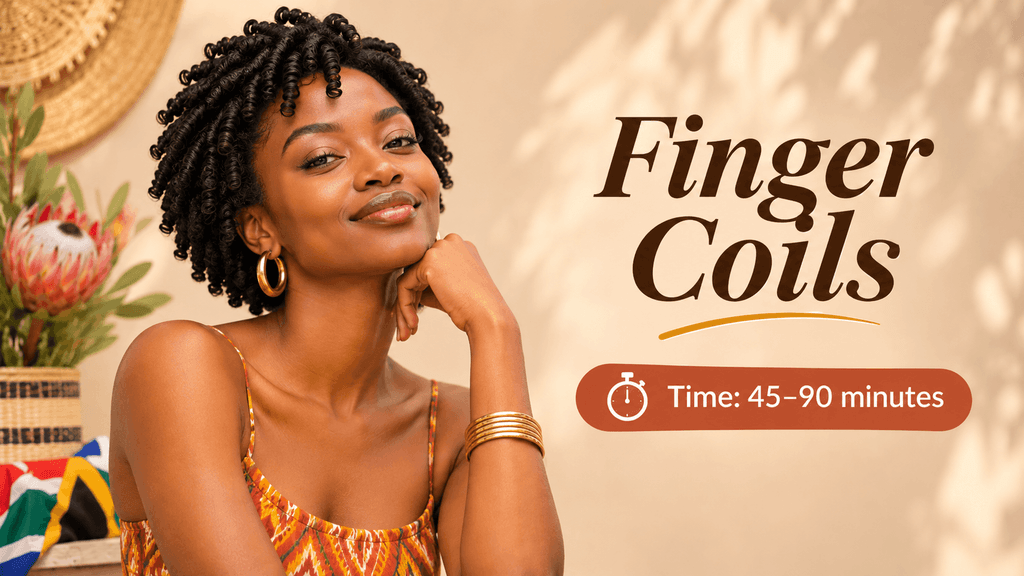
Finger coils define individual sections by wrapping the hair around a finger with a suitable styling product. They can work particularly well on shorter natural hair when you want visible definition and a deliberate shape.
The initial setting can take patience, so discuss the time involved rather than assuming a short style will be quick. Once dry, avoid constantly separating or reworking the coils. A little softness between washes is normal, and heavy product layering may create residue rather than restore the original finish.
9. A Loose Low Bun
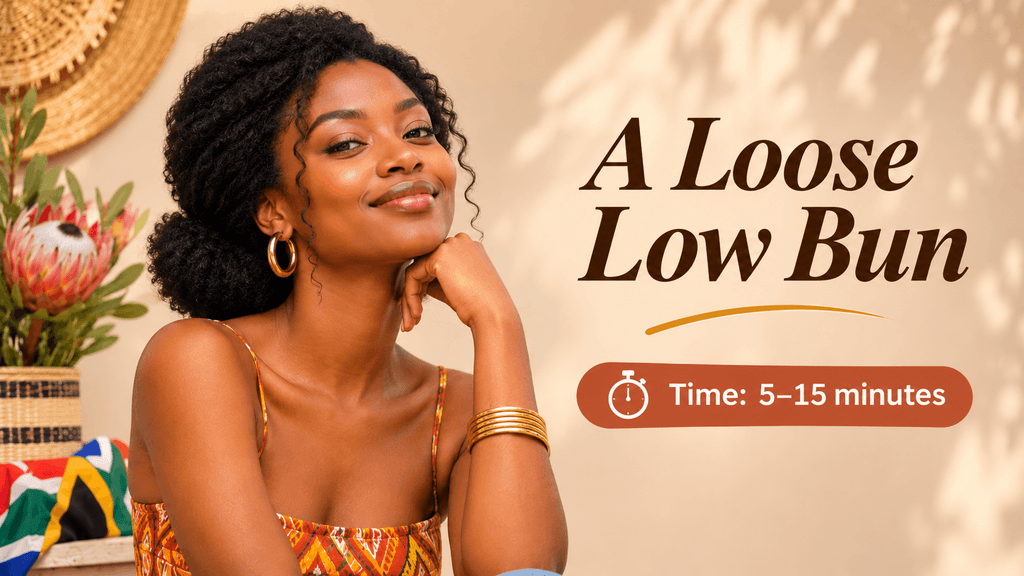
A low bun gathers the hair near the nape and can keep the ends tucked away for a neat, understated finish. It works for everyday wear and can be dressed up for an occasion.
Your hair needs enough length to reach the chosen position comfortably. Avoid forcing short sections into place with tight bands or repeated brushing. A smaller bun with a soft outline may be more suitable than trying to recreate a large, tightly slicked style from a photograph.
10. Half-Up Twists with Loose Texture
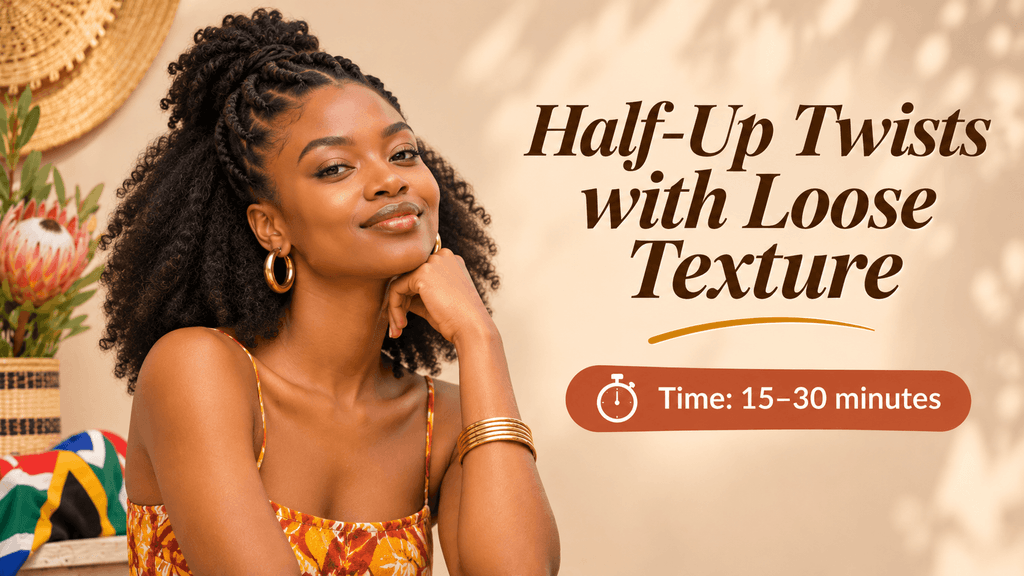
A half-up style combines contained sections at the front with loose hair at the back. You could use a few flat twists or two-strand twists to frame the face while keeping the rest of your texture visible.
This offers variety without gathering every section into a full updo. Keep the attachment comfortable and remember that the loose hair still needs detangling and conditioning. It can be a useful compromise when you enjoy definition around your face but prefer a fuller, softer finish overall.
How to Choose the Right Summer Style
Start with your actual week. If you swim regularly, choose something you can cleanse and dry properly rather than a style you feel unable to disturb. If you prefer minimal morning styling, twists or cornrows may be more practical than maintaining a highly defined loose finish.
For short natural hair, consider a shaped afro, finger coils or a pattern adapted to your available length. Longer hair may allow buns and more gathered styles, but length alone does not determine suitability. Fragile edges, recent chemical services and scalp sensitivity also matter.
A consultation can help you narrow the options. Our article on hair care for every texture explains why the right advice should consider your routine as well as your texture.
Summer Care Matters Whatever Style You Choose
A hairstyle does not make your hair resistant to chlorine or sun exposure. The American Academy of Dermatology’s summer hair care guidance recommends measures including a swim cap where practical, rinsing and washing after swimming, and conditioning afterwards. A comfortable hat and shade can also reduce sun exposure.
Keep cleansing part of your routine when you exercise or use styling products. Rinse thoroughly and allow roots and lengths to dry properly before covering your hair. Protect the style overnight with a comfortable satin bonnet, scarf or pillowcase without fastening it tightly across your edges.
The American Academy of Dermatology warns that repeated pulling can cause hair loss. Painful braids, tight buns and pulling fastenings need adjustment. Persistent scalp symptoms or thinning should receive medical attention.
Frequently Asked Questions
What Are Easy Natural Hairstyles for Summer?
A shaped afro, a comfortably secured puff or a simple twist style may suit a manageable routine. Consider preparation, drying and refreshing as well as how quickly you can arrange the finished look.
Which Summer Styles Work on Short Natural Hair?
Finger coils, a shaped afro, short twists and adapted cornrow or flat-twist patterns may work. Your stylist should assess the shortest sections and avoid excessive pulling to achieve the chosen finish.
Are All Natural Hairstyles Protective?
No. Afros, puffs and twist-outs leave the ends exposed. Styles with tucked ends may reduce friction, but only when installed and maintained gently. Neither label removes the need for ongoing care.
Can I Swim with Twists or Cornrows?
Yes, but rinse, cleanse and condition appropriately afterwards, and dry your hair properly. Swimming may loosen the pattern or mean the style needs refreshing sooner.
Choose Your Summer Look with Confidence
The best natural hairstyles for summer are the ones that suit your texture, feel comfortable and fit your plans. Whether you prefer a loose afro or a contained twist style, consistent care helps keep the routine manageable.
For natural hair styling in Hartbeespoort, view Bangs & Butch’s hair services or request an appointment. Share your preferred look and summer routine so our team can help you choose a practical style for your hair.